

Practical Information
Each training module combines experiential in-person learning with structured online study and integration.
The in-person module takes place over 6 days / 5 nights and includes four Grof® Breathwork sessions, experiential learning processes, and group integration supported by an experienced facilitation team present throughout the training.
In addition to the residential module, each training cycle includes online learning sessions before the gathering, post-module integration meetings, monthly office hours with faculty and peers, and access to an online learning platform with study materials and resources.
Together, these elements create a continuous developmental process that supports preparation, integration, reflection, and ongoing professional growth.

The in-person gatherings are primarily experiential, centred around Grof® Breathwork sessions, integration practices, sharing circles, and reflection on process, facilitation, interventions, and relational attunement. Each module also includes focused exploration of its central theoretical theme alongside practical learning in supportive bodywork.
The online parts of the training follow an inverted classroom approach. Participants engage with readings and recorded materials in advance, allowing live sessions to focus on dialogue, collaborative inquiry, case reflection, and practical integration.
This approach supports active participation, peer learning, and deeper understanding through direct engagement, shared reflection, and discussion.

Introduction Module — Foundations of Grof®Breathwork
10 - 14 Feb 2027, Gozd Martuljek, Slovenia
(Gozd Martuljek is a 45 mins drive from Ljubljana).
The Introduction Module offers an experiential and theoretical orientation to the foundations of Holotropic Breathwork and the broader holotropic paradigm. Drawing from Stanislav Grof’s work, participants explore the historical roots of holotropic states of consciousness, including shamanic traditions, rites of passage, mystical practices, and the development of modern breathwork.
Alongside breathwork sessions, the module introduces the essential components of the practice: preparation, session process, and integration, as well as the role of music, bodywork, supportive contact, mandala drawing, and sharing circles within a carefully held setting.

Module 1 — Grofian Psychology: Expanded Cartography of the Psyche
30 Mar – 4 Apr 2027, Gozd Martuljek, Slovenia
This module introduces Stanislav Grof’s expanded cartography of the psyche — a model that extends beyond conventional psychological frameworks to include biographical, perinatal, and transpersonal dimensions of human experience.
Drawing from clinical research in psychedelic therapy and holotropic breathwork, participants explore how holotropic states can reveal deep layers of the psyche connected to trauma, birth, archetypal experience, collective dimensions, and spiritual transformation.

Module 2 — Architecture of Emotional and Psychosomatic Disorders
17 – 22 Sept 2027, Gozd Martuljek, Slovenia
This module explores emotional and psychosomatic disorders through the lens of Grofian psychology and holotropic states of consciousness. Participants examine how unresolved biographical, perinatal, and transpersonal material may contribute to psychological and somatic suffering.
Integrating clinical insight with experiential understanding, the module offers a broader perspective on trauma, healing, symptom formation, and the therapeutic potential of work in expanded states of consciousness.

Module 3 — Spiritual Emergency: Distress or Awakening?
Spring 2028, Slovenia
Based on the work of Stanislav and Christina Grof, this module explores spiritual emergency as a transformative crisis that can resemble psychiatric disorder while carrying profound potential for psychological and spiritual growth.
Participants examine how to differentiate between psychosis and transformative processes, and how to support such experiences ethically and responsibly within therapeutic, community, and alternative healing contexts.

Module 4 — Death, Archetypes, and the Evolution of Consciousness
Autumn 2028, Slovenia
This module explores some of the deepest dimensions of Grof’s transpersonal framework, including death and rebirth experiences, archetypal symbolism, and expanded states connected to spiritual and cosmic consciousness.
Drawing from clinical work with psychedelics, breathwork, and near-death experiences, participants engage with perspectives that challenge conventional understandings of consciousness, healing, and the nature of the psyche.

Module 5 — Holotropic Music
Spring 2029, Slovenia
This module explores the therapeutic potential of music in holotropic states of consciousness, with particular focus on Grof® Breathwork. Participants are introduced to the principles of music selection, the seven-stage structure of a holotropic music set, and the ethical and relational dimensions of working with music in expanded states.
Through listening, movement, creative practice, collaborative set-building, and direct musical exploration, participants deepen both their experiential relationship to music and their practical capacity to create coherent and supportive music sets.
Module 6 — Applied Grofian Psychology
Autumn 2029, Slovenia
This module brings Grofian psychology into applied facilitation contexts, focusing on trauma, spiritual emergence and emergency, ethical complexity, and special situations that may arise within holotropic work.
Participants deepen their understanding of human psychodynamics within the holotropic paradigm while refining their capacity to respond with presence, discernment, and relational sensitivity in complex experiential processes.

Tuition
We offer flexible tuition options that honour different economic realities while supporting the long-term sustainability of the training.
Tuition Rates
Our tuition model is built on the principles of accessibility, shared responsibility, and the long-term sustainability of the programme.
We recognise that participants come from diverse economic contexts, and we believe that financial circumstances alone should not determine access to this training.
By offering three tuition rates, we invite those who are able to contribute toward making Access places available while supporting the continued development of the programme.
Tuition rates are per module, including online and in-person parts.
Access — 980 €
A limited number of Access places are available for participants for whom the Practitioner rate represents a genuine financial barrier.
Practitioner — 1520 €
The standard tuition rate, reflecting the actual cost of the programme for the majority of participants.
Stewardship — 2600 €
Extends access to practitioners who might not otherwise be able to participate, while supporting the continued development of the programme.
Hotel Accommodation
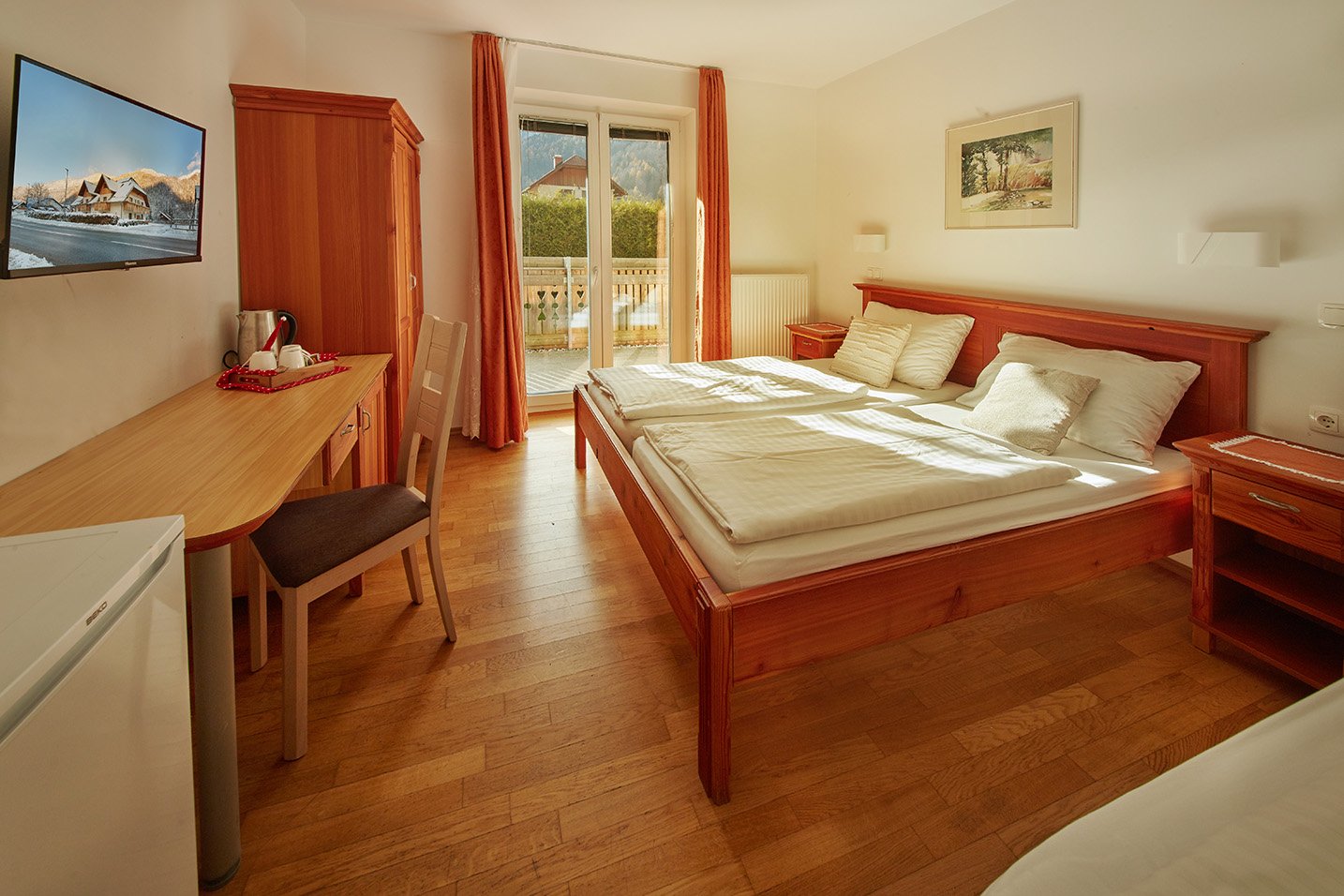
Single room: €90 / person / night
Double room: €75 / person / night
Triple / Quadruple room: €60 / person/ night
+ €2 tourist tax / day
Accommodation is paid directly to the hotel for the duration of the workshop.
Room reservations will be made for you by the organizers, depending on availability.
Closest airport Ljubljana is 45 mins drive from the venue.
Training Structure And Commitment
Participants join the program as a training cohort and are invited to commit to the full learning journey. The training consists of 7 in-person modules over approximately 3 – 3,5 years, allowing time for integration and practical application between modules.
Working within a stable cohort creates a supportive learning community and allows the depth of the experiential process to unfold over time.
While we encourage participants to attend the modules in sequence together with their cohort, we understand that life circumstances sometimes make this difficult. If a participant needs to miss a module, it is usually possible to complete that module with a future cohort, depending on availability.
Scholarship & Payment Plans
If you feel called to participate and the Access Rate is still beyond reach, you are welcome to apply for additional support.
A limited number of partial scholarships are available each cohort. These are reserved for practitioners with a clear commitment to the training who would otherwise be unable to participate.
To maintain fairness and clarity in allocation, we may request brief contextual information before confirming support.
Payment plans are also available for participants who prefer to distribute tuition over time. Please contact us for more details.