

Grof® Legacy Training Adria
Learn to facilitate expanded states of consciousness with depth, care, and ethical responsibility.
A structured professional pathway for practitioners seeking to work responsibly with expanded states of consciousness.
Grounded in the Grof® lineage of Transpersonal Psychology.
A multi-year experiential training for developing the depth, presence, and ethical capacity to work with expanded states of consciousness — leading towards certification in Transpersonal Psychology and Grof® Breathwork facilitation, with pathways into further training in psychedelic facilitation.
Part of the international Grof® Legacy Training, established and guided by Stanislav and Brigitte Grof, the programme combines residential training in the Adriatic region with online learning — integrating deep personal transformation with professional development.
Through embodied practice, reflective inquiry, and transpersonal frameworks, participants develop psychological depth, ethical discernment, and relational presence for working responsibly with themselves and others.
Training Structure
Multi-year training
Typically three years, combining structured experiential engagement with immersive integration work.
Residential modules
Seven 6-day in-person modules combined with inter-module learning and integration time.
Cohort process
Participants can progress together. Flexibility to complete missed modules when required.
Entry pathway
Application including self-reflective questions and interview to ensure readiness, alignment, and mutual fit.
Group size
Intentionally limited to maintain depth, attention, and relational quality within the group process.
Languages
Facilitated in English, with possible translation into local languages. Please share your specific needs.
Join one of our monthly live webinars for an introduction to the training, including its approach, structure and ask questions.
Training
Structure
Approach
Grof Lineage
Relevance
Context
Facilitators
Experience
Profiles
Questions
Is it for me?
How to apply?
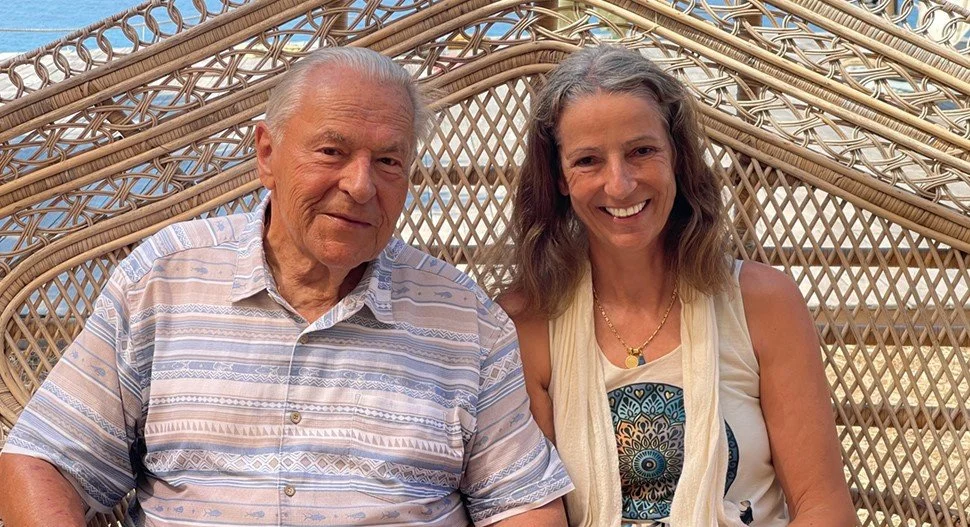
Continuing the Grof Lineage
Across cultures, humans have explored expanded states of consciousness for healing, insight, and transformation. The work of Stanislav Grof represents one of the most extensive modern explorations of these states, shaping Transpersonal Psychology, psychedelic therapy, and Grof® Breathwork.
Our training is rooted in this lineage and decades of experiential research into holotropic states of consciousness — states oriented toward wholeness.
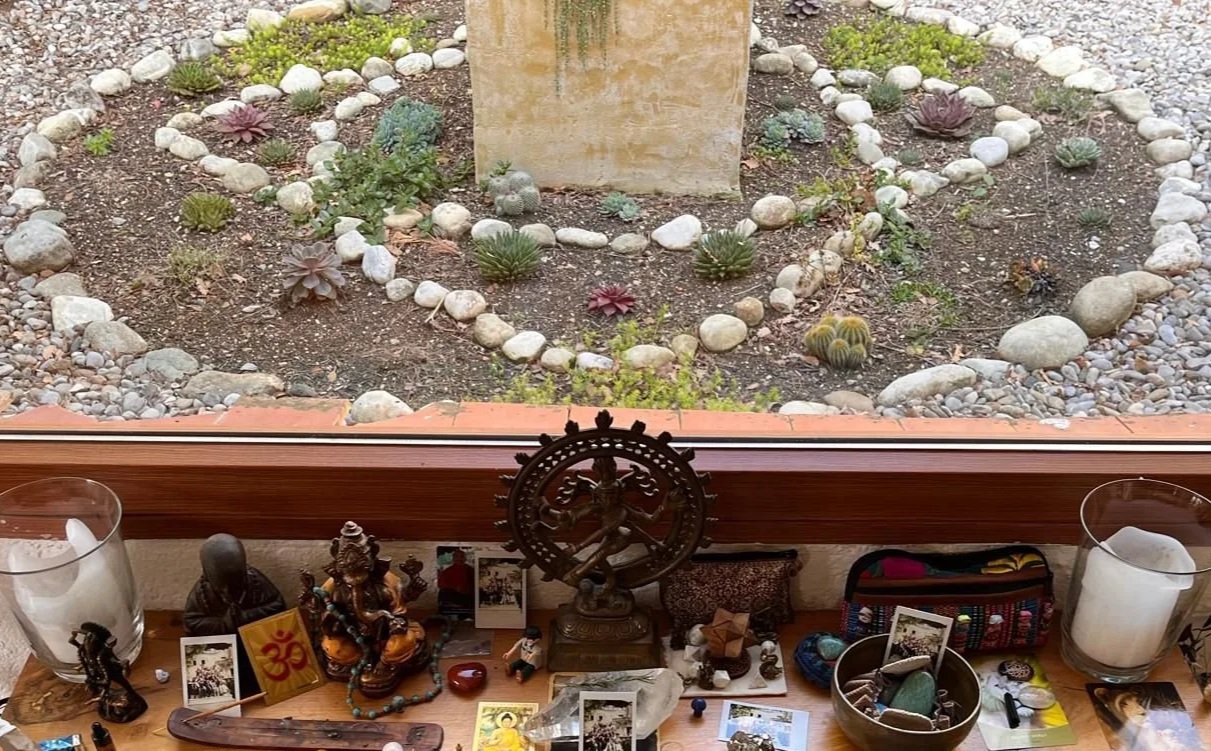
Our Facilitators
Our facilitators are trained within the Grof lineage of transpersonal psychology and bring extensive experience from clinical settings, breathwork, and other forms of engagement with expanded states of consciousness.
Their approach is grounded in rigorous training and lived practice, integrating psychological insight with relational presence and ethical sensitivity.
Facilitators accompany participants through an ongoing process of experiential learning, creating conditions for continuity, depth and careful attention throughout the training journey.

An Invitation
This is an experiential training that asks for presence, reflection, and a willingness to engage deeply with yourself and others.
We encourage prospective participants to explore the training, attend a webinar, and ask questions before applying — and to consider whether the training aligns with their professional path and intentions.
Readiness for this training is shaped less by credentials, experience level, or professional background, and more by one’s current relationship to inner work — including the capacity for self-reflection, emotional responsibility, and engagement in a longer-term developmental process. The training is intended for individuals drawn toward sustained experiential inquiry, relational learning, and gradual personal and professional formation.
Considering the Training
Readiness
Reflect on your readiness for this training and its level of engagement.
Webinars
Learn more about the structure, approach, and FAQs.
Application
Apply and complete a short self-reflection as part of the process.